Source Electric Power Cable for Overhead Heating Underground
Find 30 electric power cable options suitable for overhead, heating, and underground applications. Buyers can compare specifications including conductor material, insulation type, and certification standards from verified manufacturers.
Key considerations
Products List


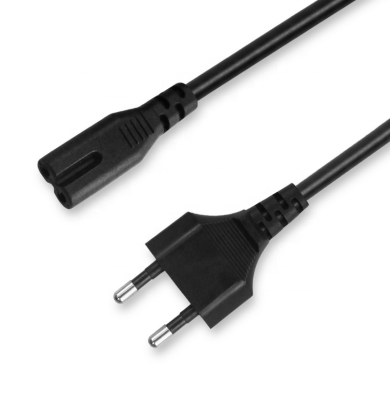


Comprehensive Sourcing Guide
Strategic Sourcing Guide for Electric Power Cable Procurement
Understanding Product Variants and Technical Specifications
When sourcing electric power cables, buyers must first navigate the significant diversity in product configurations, as the term "electric power cable" encompasses a wide spectrum of applications ranging from industrial machinery to telecommunications infrastructure. The available market data reveals distinct product categories, each defined by specific conductor materials, insulation types, and structural shapes. A primary distinction lies in the conductor material, where high-performance options utilize copper as the standard conductor material, while other variants may specify bare copper wire for specific core applications. The physical form of the conductor is equally critical; buyers will encounter products with round wire sections, flat wire shapes, and stranded conductor types, each serving different mechanical and electrical requirements.
The insulation and sheath materials dictate the cable's environmental resilience. Common specifications include PVC sheath materials for general-purpose applications, while high-performance variants may utilize PTFE for superior insulating properties. The structural integrity of the cable is further defined by its type, with options ranging from seamless constructions to insulated and refractory-rated cables. For industrial applications, the casing protection often defaults to an open type, whereas specialized environments may require different protective standards. The input power requirements are consistently noted as AC power, but the specific voltage reduction starting modes, such as auto-induction voltage-reduced starting, are critical for motor-driven applications. Furthermore, the dimension of the cable is frequently listed as "according to order," indicating a high degree of customization potential where standard sizes may not suffice for unique industrial projects.
Compliance Framework and Certification Verification
Navigating the complex landscape of international compliance is essential for any procurement strategy involving electric power cables. The market data indicates a robust array of certifications that buyers should verify to ensure regulatory adherence. Common certifications observed in the supply chain include ISO9001, which validates quality management systems, and CCC (China Compulsory Certification), a mandatory requirement for products sold within the Chinese market. For international markets, certifications such as RoHS, CE, UL, CSA, and VDE are frequently cited, signaling compliance with environmental restrictions and safety standards in Europe, North America, and other regions.
Buyers must also scrutinize the specific standards applied to the product materials. The data highlights standards such as Rohs, PAHs, and ISOCCS, alongside material standards like Al or Cu for wire cores. It is imperative to note that certification status is not uniform across all listed products; a specific model may carry a full suite of certifications including ISO, CE, and CCC, while another might be limited to specific regional approvals. The presence of certifications like ISO9001 and CCC suggests a baseline of quality, but the buyer must confirm that the specific batch or model intended for purchase holds the necessary approvals for the target destination. For instance, while some products list VDE and RoHS, others may focus on CCC and ISO, requiring a careful match between the supplier's certification portfolio and the regulatory requirements of the importing country.
Cost Drivers and Economic Factors in Procurement
The economic landscape of electric power cable procurement is influenced by several dynamic factors, primarily driven by raw material costs, customization levels, and order volume. The observed price range in the market spans from 0.01 to 520 USD, a variance that reflects the vast difference between simple components and complex, fully assembled cable systems. The primary cost driver is the conductor material; copper is a premium material, and fluctuations in global copper prices directly impact the final unit cost. Additionally, the use of specialized insulating materials like PTFE or specific sheath materials such as PVC can alter the price structure significantly.
Order volume plays a pivotal role in pricing, as evidenced by the observed Minimum Order Quantity (MOQ) range of 1 to 100,000 units. Buyers seeking small quantities may face higher per-unit costs, whereas those capable of meeting high-volume MOQs can leverage economies of scale. The customization aspect is another significant cost factor; products with "customized" color options or dimensions "according to order" often incur additional setup and production costs compared to standard stock items. Furthermore, the complexity of the product, such as the inclusion of specific starting modes or multi-function applications like "Control, Driving," adds to the manufacturing complexity and, consequently, the price. Buyers should anticipate that specialized applications, such as those for oil and gas drilling or hydraulic systems, will command a premium over general-purpose industrial cables.
Typical Applications and Industry Use Cases
Electric power cables serve a multitude of industries, and understanding the specific application context is vital for selecting the correct product. The data indicates that these cables are extensively used in the machinery industry, chemical industry, and construction and decoration sectors. Specialized applications include oil and gas drilling, where cables must withstand harsh environments, and the food, beverage, and dairy products industries, which may require specific hygiene and material standards. In the telecommunications and consumer electronics sectors, cables are utilized for local communication, long-distance symmetric cables, and connections for devices such as microphones, telephones, and multimedia systems.
The versatility of these cables is further demonstrated by their use in overhead, underground, and heating applications. For instance, cables designed for the "Refractory" range of application are suitable for high-temperature environments, while those intended for "Submarine Cable" or "Fiber Optic Cable" applications require specific structural integrity to withstand underwater pressures. The "Control, Driving" function highlights their role in industrial automation, where reliable power transmission is critical for motor control and system operation. Additionally, the inclusion of applications like "Game Player" and "Computer" suggests that the supply chain also supports low-voltage, high-frequency data and power transmission for consumer electronics. Buyers must align their procurement with these specific use cases to ensure the cable's technical specifications match the operational demands of the end application.
Supplier Evaluation and Quality Assurance Protocols
Evaluating suppliers for electric power cables requires a rigorous assessment of their production capabilities, quality control measures, and logistical reliability. A key indicator of supplier capability is the production standard; the data mentions "cast iron" as a standard, which may refer to the housing or structural components of the associated equipment, while other standards like "Hot Rolled" indicate specific manufacturing techniques for the cable materials. Buyers should verify that the supplier adheres to the stated standards and possesses the necessary infrastructure to produce customized dimensions and shapes.
Quality assurance is further evidenced by the warranty period, with "One Year" being a common offering. This warranty serves as a baseline commitment to product reliability, but buyers should also inquire about the specific testing protocols employed by the supplier. The presence of certifications like ISO9001 suggests a systematic approach to quality management, but it is crucial to verify that these certifications are current and applicable to the specific product line. Packaging standards also provide insight into the supplier's attention to detail; options range from "Carton with Wooden Pallet" to "Export Wooden Drums" and "PE Bag, Blister and Carton." The choice of packaging should align with the shipping distance and the fragility of the product. Furthermore, the "Standard Export Packing" and "PE Bag" options indicate a focus on protecting the cable during transit, which is essential for maintaining the integrity of the insulation and conductor materials.
Long-Term Procurement Considerations and Supply Chain Stability
Sourcing electric power cables is not merely a transactional activity but a strategic decision that impacts long-term operational efficiency. One of the primary considerations is the lead time and the ability of the supplier to meet demand fluctuations. While specific lead times are not universally defined in the provided data, the wide range of MOQs suggests that suppliers must be flexible in their production scheduling. Buyers should establish clear communication channels regarding production capacity and potential delays, especially for customized orders where dimensions and specifications are tailored to specific needs.
The origin of the product, consistently noted as "China," presents both opportunities and challenges. Sourcing from this region often provides access to a vast supply chain and competitive pricing, but it also necessitates careful management of logistics, customs clearance, and potential trade barriers. Buyers should ensure that the supplier has a proven track record of exporting to their target market and can navigate the necessary regulatory requirements. Additionally, the "Customization: Available" attribute highlights the importance of maintaining a collaborative relationship with the supplier. As product requirements evolve, the ability to adapt specifications, such as changing the conductor shape from round to flat or adjusting the insulation material, will be crucial for maintaining supply chain agility.
Comparative Analysis of Product Attributes
To facilitate informed decision-making, buyers should compare key attributes across different product offerings. The following table summarizes the critical distinctions observed in the market data, helping to categorize products based on their primary characteristics.
| Attribute Category | Product Variant A | Product Variant B | Product Variant C |
|---|---|---|---|
| Conductor Material | Copper | Bare Copper Wire | Copper (Stranded) |
| Material Shape | Round Wire | Flat Wire | Round Wire |
| Insulation/Sheath | PVC / PTFE | PVC | PVC |
| Certifications | ISO9001, CCC | RoHS, CE, UL, CSA | VDE, RoHS, CCC |
| Primary Application | Industrial (Control/Driving) | Communication (LAN/Fiber) | Overhead/Underground |
| Packing Standard | Carton with Wooden Pallet | PE Bag, Blister, Carton | Export Wooden Drums |
| Customization | Available (Color/Dimension) | Available (Color) | Available (Dimension) |
| Origin | China | China | China |
This comparison underscores the necessity of matching specific technical requirements with the correct product variant. For instance, a buyer requiring a cable for overhead applications with high durability should prioritize the variant with bare copper wire and export wooden drum packing, while a buyer needing a cable for multimedia applications might focus on the flat wire option with RCA connectors. By systematically evaluating these attributes, buyers can mitigate the risk of selecting an incompatible product and ensure that their procurement strategy aligns with their operational goals.
Conclusion
The procurement of electric power cables demands a comprehensive understanding of technical specifications, regulatory compliance, and supply chain dynamics. By leveraging the available market data, buyers can make informed decisions that balance cost, quality, and performance. The diversity of options, from copper conductors to specialized insulation materials, offers solutions for a wide array of industrial and commercial applications. However, success in this sector relies on rigorous supplier evaluation, verification of certifications, and a clear understanding of the specific requirements of the end application. As the market continues to evolve, maintaining a strategic approach to sourcing will ensure the acquisition of reliable, high-quality electric power cables that meet the demanding standards of modern industry.
FAQs
What certifications do electric power cables typically hold?
Electric power cables commonly hold ISO9001, CCC, RoHS, CE, UL, CSA, and VDE certifications. Buyers must verify that specific models carry the necessary approvals for their target destination, as certification status varies across different product variants and suppliers.
Which conductor materials are available for these cables?
Copper is the standard conductor material, with options including bare copper wire and stranded configurations. Some variants also feature flat wire shapes, while others specify round wire sections to meet different mechanical and electrical requirements for industrial applications.
Can I order customized dimensions for electric power cables?
Yes, customization is available, with dimensions often listed as according to order. This allows buyers to tailor specifications for unique industrial projects, though customized orders may incur additional setup costs compared to standard stock items.
What is the typical warranty period for these products?
The typical warranty period for electric power cables is one year. This serves as a baseline commitment to product reliability, but buyers should also inquire about specific testing protocols employed by the supplier to ensure long-term performance.
How are electric power cables packaged for export?
Packaging options include carton with wooden pallet, PE bag, blister and carton, and export wooden drums. The choice of packaging should align with shipping distance and product fragility to maintain the integrity of insulation and conductor materials during transit.
Where are these electric power cables manufactured?
The products originate from China, providing access to a vast supply chain and competitive pricing. Buyers should ensure suppliers have a proven track record of exporting to their target market and can navigate necessary regulatory requirements for international trade.
What are the main applications for these cables?
Applications span the machinery, chemical, and construction industries, including oil and gas drilling. They are also used for overhead, underground, heating, and telecommunications, serving diverse needs from industrial automation to consumer electronics connections.